
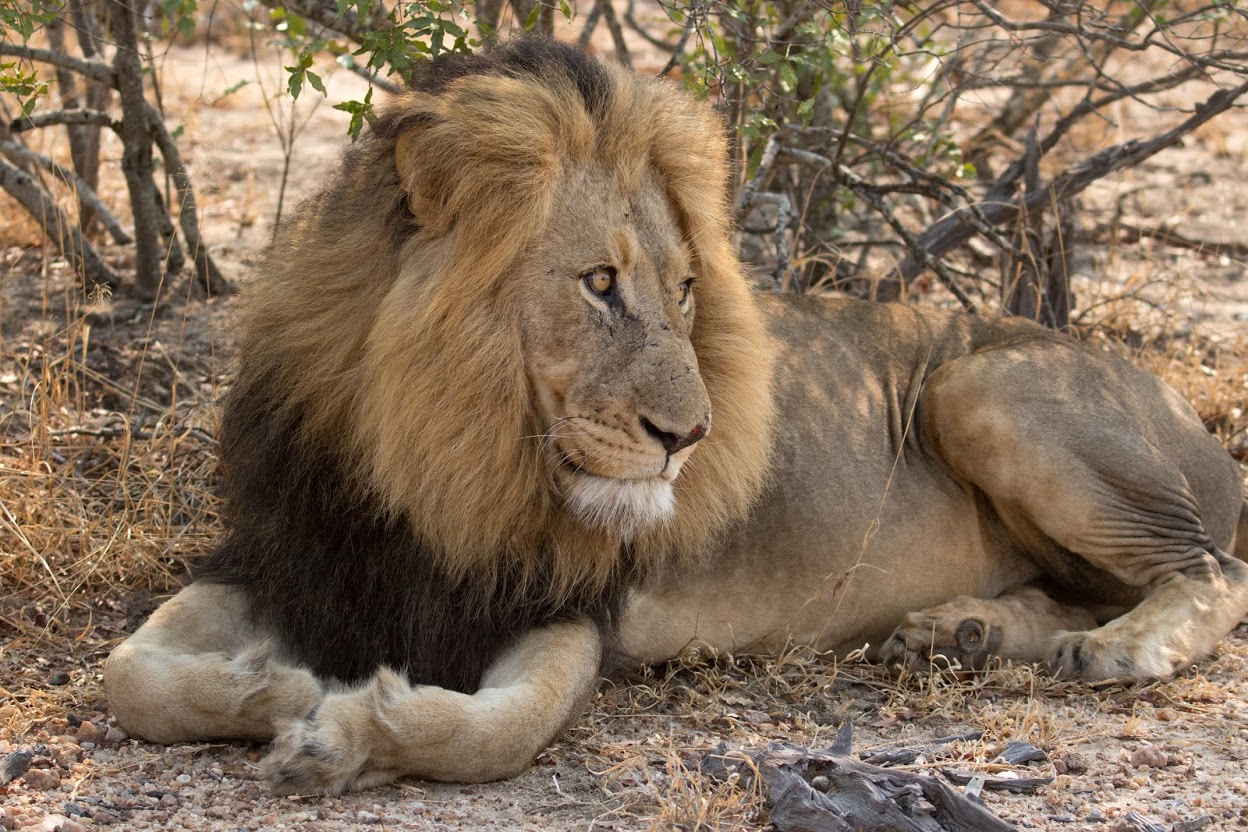
For most safari-goers heading to South Africa—particularly first-time visitors—June through September represents the ideal window to explore reserves like Timbavati or Makalali Private Game Reserve. These months offer an exceptional combination of wildlife density, visibility, comfortable weather, and superb photographic conditions.
Both reserves lie within the greater lowveld region of northeastern South Africa, where the dry winter months transform the landscape into a wildlife-viewing paradise. As water sources diminish, animals concentrate around rivers, dams, and waterholes, making it far easier to spot those bucket-list mammals. It is also the best time of year for the more adventurous to try a sleep out deck whether staying at Garonga or Kambaku. A night under the African sky listening to nothing but the sounds of the bush.
By June, grasses have died back and many trees have shed their leaves. The result:
- Easier animal spotting from vehicles
- Better photography opportunities
- Improved chances of seeing elusive predators like leopards
Winter brings cool mornings (often 5–12°C), pleasant daytime temperatures (20–27°C), minimal rainfall, and low humidity. Game drives are far more comfortable than during the hot summer months.
While winter is excellent for resident species, birders should note that the summer months (November–March) bring greater diversity due to migratory species. That said, you could still enjoy rewarding sightings of birds such as Martial Eagles, Southern Ground Hornbills, and Lilac-breasted Rollers year-round.